


Posted on 16/01/2026
Credit Cards Are Not for Debt, They’re Tools to Make Your Existing Spending Smarter

For many people in India, the phrase “Credit Card” still triggers fear instead of opportunity.
Some believe credit cards automatically lead to debt.
Some assume cash is always safer.
Others think credit cards are only meant for luxury shoppers or high-income earners.
But here’s the reality most people overlook:
Credit cards don’t create debt. Poor financial discipline does.
When you start using credit cards wisely, they become powerful tools for smarter money management, better tracking, and consistent savings. This guide will help you rethink credit cards not as borrowed money, but as tools to optimise the spending you already do.
1.The Core Principle of Using Credit Cards Wisely
The biggest mistake people make is treating a credit card as extra income.
In reality:
- A credit card is not free money
- It is a delayed payment tool
- It should only be used for expenses you can already afford
This mindset is the foundation of using credit cards wisely and is the first step to avoid credit card debt. Once this principle is clear, most credit card problems disappear automatically.
2.Credit Card vs Cash Spending
A Realistic Comparison
Let’s break down credit card vs cash spending with a simple, real-world example
Example: Monthly Household Expenses
| Expense | Monthly Spend (₹) |
| Groceries | 12,000 |
| Fuel | 6,000 |
| Dining & food delivery | 5,000 |
| Utility bills | 4,000 |
| Subscriptions & misc | 3,000 |
| Total | 30,000 |
Expense
Monthly Spend
Groceries
12,000
Fuel
6,000
Dining & food delivery
5,000
Utility bills
4,000
Subcriptions & misc
3,000
If You Choose Cash or Debit Cards:
- Total spend: ₹30,000
- Rewards earned: ₹0
- Cashback earned: ₹0
- Tracking: Manual and unclear
If You Choose Credit Cards:
- Total spend: ₹30,000
- Average rewards (2%): ₹600/month
- Annual benefit: ₹7,200
- Automatic tracking and statements
Same expenses. Completely different outcome.
This simple credit card vs cash spending example clearly shows why smart credit card usage leads to better financial outcomes.
3.Why Smart Credit Card Usage Improves Money Awareness?
One of the biggest benefits of using credit cards is clarity.
With cash:
- Small expenses go unnoticed
- Spending leaks remain invisible
- No structured monthly overview
With credit cards:
- Every transaction is recorded
- Category-wise spending insights are available
- You quickly identify wasteful habits
This is why using credit cards wisely often improves financial discipline instead of harming it. In fact, smart credit card usage forces accountability that cash simply cannot provide.

4. How to Use Credit Cards Smartly Without Stress
If you truly want to avoid credit card debt, follow these principles of smart credit card usage.

1.Use Credit Cards for Everyday Expenses
Daily expenses are ideal for using credit cards wisely:
- Groceries
- Fuel
- Utility bills
- Subscriptions
These expenses are predictable and already part of your budget. This approach strengthens credit card financial discipline and supports a sustainable credit card spending strategy.
2.Always Pay Credit Card Bills in Full
This rule alone defines whether you succeed or fail with credit cards.
When you:
- Pay credit card bills in full
- Never roll over balances
- Ignore the “minimum due” trap
You:
- Pay zero interest
- Maximise the benefits of using credit cards
- Consistently avoid credit card debt
Debt is not caused by cards, it’s caused by ignoring discipline.


3.Control Spending with Income-Based Limits
A simple rule for smart credit card usage:
Monthly credit card spending should not exceed 30–40% of your income
Example:
- Income: ₹60,000
- Safe spending range: ₹18,000–₹24,000
This habit strengthens your credit card spending strategy and keeps credit card vs cash spending decisions stress-free.
5.A Practical Credit Card Spending Strategy (With Numbers)
Let’s apply a realistic credit card spending strategy:
- Monthly income: ₹50,000
- Monthly expenses: ₹32,000
- Expenses paid via credit card: ₹32,000
- Cashback / rewards (2%): ₹640/month
- Annual savings: ₹7,680
No overspending.
No interest.
Only optimisation.
This is exactly how using credit cards wisely converts routine spending into real savings and highlights the true benefits of using credit cards.
If flexibility and the longer term value of the reward are considered because travel rewards credit cards offer more flexibility compared to basic travel
6.Why Cash Isn’t Always the Safer Option?
Many people trust cash emotionally, but logically, cash has limitations:
- Easy to overspend
- No recovery if lost
- No tracking
- No rewards
In a clear credit card vs cash spending comparison:
- Credit cards encourage accountability
- Provide transaction history
- Enable cashback and rewards
- Support budgeting discipline
This makes smart credit card usage far more effective than relying only on cash.
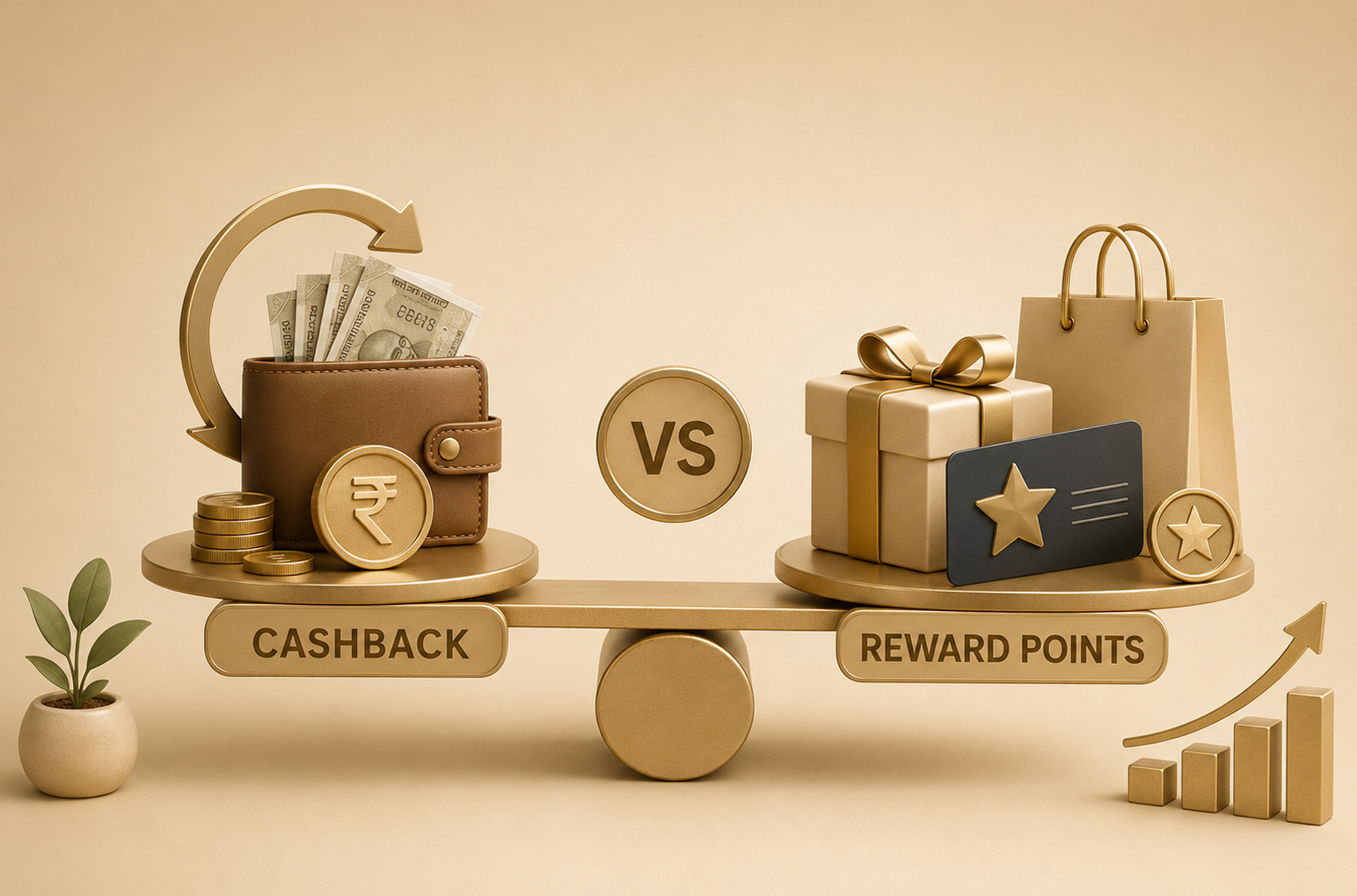
7.Understanding Rewards and Cashback Clearly
You don’t need complex hacks to benefit from credit cards.
Even basic cards offer:
- 1%–5% cashback
- Direct monthly savings
- Transparent value
For everyday users, cashback aligns perfectly with using credit cards wisely and supports a practical credit card spending strategy focused on consistency rather than complexity.
8.Common Credit Card Myths in India (Debunked)
| Myth | Reality |
| Credit cards are only for rich people | Budget-conscious users gain the most from smart credit card usage |
| Credit cards encourage overspending | Lack of planning does, not credit cards |
| Cash keeps spending under control | Discipline does, not the payment method |
Myth
Reality
Credit cards are only for rich people
Budget-conscious users gain the most from smart credit card usage
Credit cards encourage overspending
Lack of planning does, not credit cards
Cash keeps spending under control
Discipline does, not the payment method
Understanding these myths helps people confidently avoid credit card debt and appreciate the real benefits of using credit cards.
9.Why People Actually Fall into Credit Card Debt?
People fall into debt when they:
- Spend more than they earn
- Ignore statements
- Delay repayments
- Treat credit as income
They don’t fail because they used a credit card.
They fail because they didn’t practice using credit cards wisely.
With education, discipline, and a clear credit card spending strategy, credit cards become tools, not traps.
10.Frequently Asked Questions (FAQs)
Are credit cards detrimental to financial well-being?
Credit cards are not bad for your financial well-being if you use them wisely. You can use credit cards wisely by creating a budget and paying your bills on time. With credit cards, you are able to monitor your expenses and be financially disciplined without indebtedness.
Cash or credit cards: which is more suitable to be used as current expenditure?
It is better to spend money using credit cards for day-to-day shopping compared to using cash if one uses the right strategy for that money. Credit cards come with rewards and cash back, along with the safety of purchases and the ability to track purchases when the statement is received; this benefit is not available when using cash.
How can I avoid credit card debt completely?
You can avoid credit card debt if you are only able to spend what you can afford to pay back and pay all the bills related to the credit card on time. Otherwise, credit card debt is a mountain of money that customers overpay.
How can a credit card be most wisely utilized in the Indian market?
The best way to use a credit card is to consider it a payment method and not additional funds. You can use it for your expenses and monitor your transactions based on your statements in addition to practicing proper credit card usage.
Can credit cards really help save money?
Yes, credit cards do help in saving money by means of ‘credit card rewards and cash back.’ By shrewd usage, individuals can also avail returns ranging from 1-5 percent in usual expenses, thereby summing up to thousands of rupees each year.
Should the minimum payment due or the total credit card bill be paid?
Your credit card bills should always be settled in full. This is because, by settling to pay the minimum, you will incur high interests, while settling in full will make using credit cards free.
What percentage of income should be spent using a credit card?
A prudent guideline is to ensure that overall credit card expenses should not be more than 30-40% of our monthly earnings. This is easily adequate for credit card financial discipline and credit-free repayment.
Are credit cards safe to use for everyday expenses?
Yeah, credit cards are safe for everyday expenses if used judiciously. As a matter of fact, credit cards for everyday expenses offer better fraud protection, easier dispute resolution, and improved visibility into your spending compared to cash.
Why do so many people in India have so much trouble with credit cards?
People suffer not because of credit cards, but lack of awareness, overspending, and ignoring the discipline of repayment. Understanding credit card myths in India helps users avoid mistakes and build healthier habits.
Can the use of a credit card enhance financial discipline?
Yes, credit cards can be an enhancer of financial discipline because they provide a record of transactions, monthly summaries, and insights into spending. When combined with responsible habits, they will therefore promote smarter budgeting and full awareness in spending decisions.
Trending
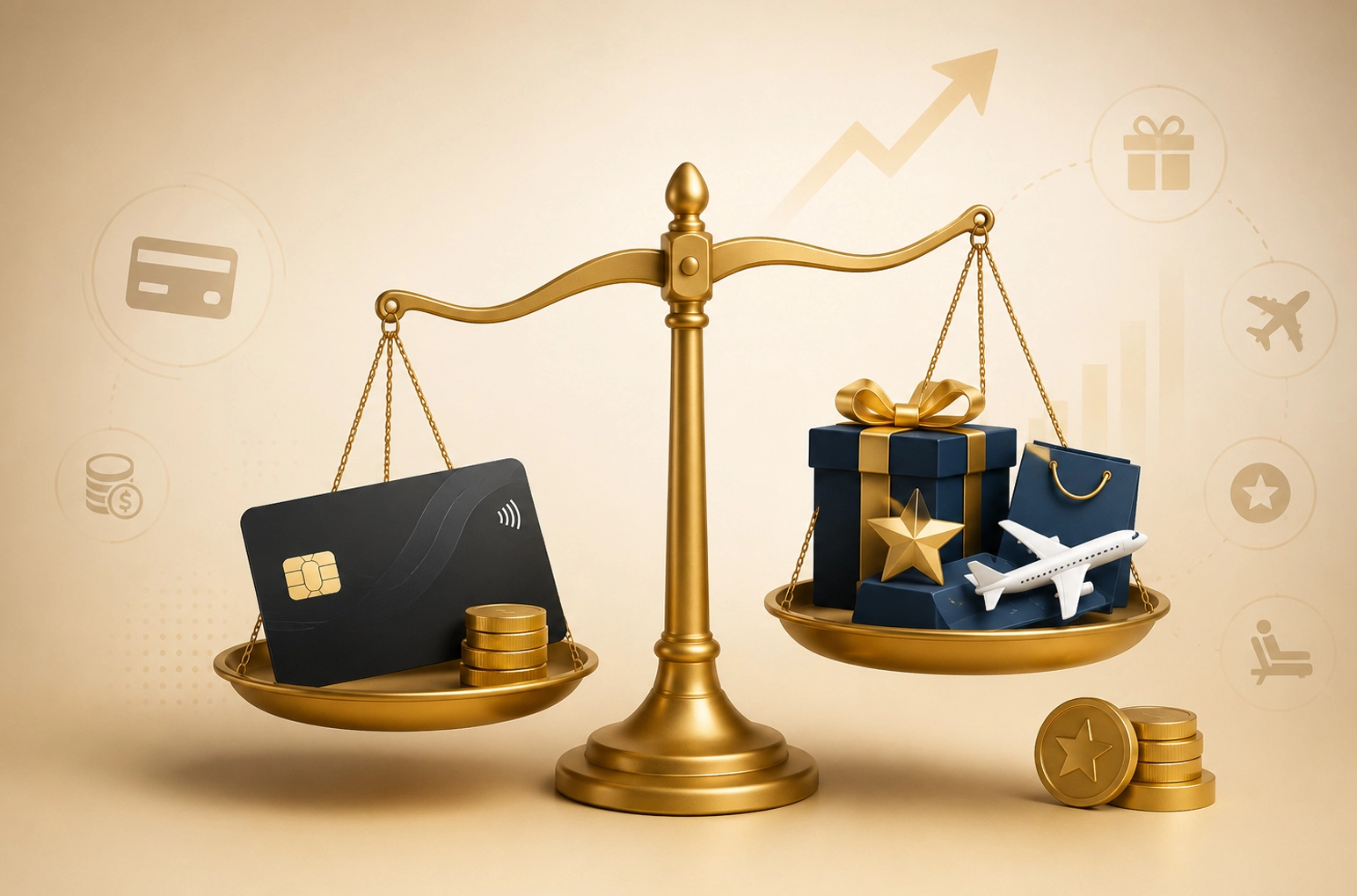


Final Thought - Credit Cards Are Mirrors, Not Traps
Credit cards don’t change who you are with money, they reveal it.
If you are disciplined:
- Credit cards reward you
- Save you money
- Improve clarity
If you are careless:
- Credit cards expose weak habits faster
That’s why the goal is not to avoid credit cards,
it’s to master smart credit card usage, responsible credit card usage, and long-term credit card financial discipline.
And once you do, credit cards stop being scary,
they become tools that quietly work in your favor every single month.