














Coins placed on a financial graph sheet, symbolizing the long-term wealth and elite status associated with owning metal credit cards in India.
Axis Flipkart Credit Card ad
A luxurious, gold-colored premium credit card India displayed on a dark background, representing exclusivity and high-end lifestyle benefits for 2026.

Posted on 03/03/2026

Credit Card Hidden Fees: How to Avoid Them in 2026

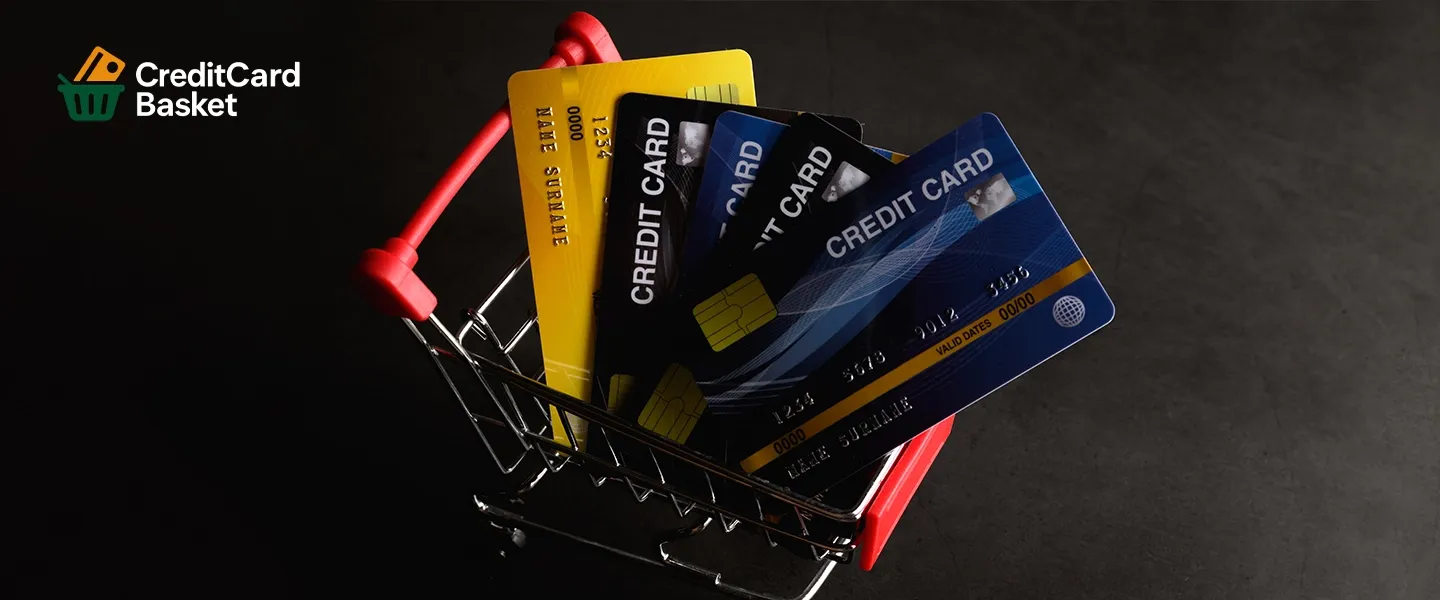
( credit card hidden fees ) - A shopping cart filled with multiple credit cards, representing the need to watch out for credit card hidden fees while shopping in 2026.

In 2026, our financial lives are managed almost entirely through sleek apps and instant biometric authorizations. We’ve largely traded physical wallets for integrated digital ecosystems, yet one thing remains stubbornly old-school: the fine print. You apply for a card, get a notification of approval, and assume you’ve got the basics down interest rates and maybe an annual fee. Then the statements start rolling in, peppered with mysterious line items like “foreign transaction adjustments” or “expedited service fees”. It’s a frustrating rite of passage for many, but it doesn’t have to be. In a year where issuers have become incredibly creative with their fee structures, staying ahead of the curve means looking past the flashy rewards and identifying the credit card hidden fees that quietly chip away at your balance.

Why Credit Card Hidden Fees Are More Common Than You Think

It’s easy to feel like these charges are personal, but in reality, they are a structural part of the banking industry. Most of us glance at the interest rate and the sign-up bonus before hitting “apply,” which is exactly what lenders expect. Every credit card hidden fees comes with a “Schumer Box” that standardized table of fees but it’s often written in a way that makes your eyes glaze over. The font is tiny, the terminology is dense, and many of the names for these charges aren’t exactly intuitive.

The Full Credit Card Charges List: Every Fee You Need to Know

To beat the system, you first have to understand the map. Most of the costs you’ll see on your statement fall into a few specific categories. Credit card hidden fees understanding the different types of credit card fees is your first line of defense.

Interest-Adjacent Fees

Annual Fee: This is the “membership” cost, which can range from $0 to a staggering $695 for premium cards.

Penalty APR: If you miss a payment, your interest rate can skyrocket to nearly 30% and stay there for half a year or more.

Deferred Interest: Often found on store cards, this is a trap where interest accrues behind the scenes. If you don’t pay off the full balance by a deadline, all that back-interest hits your account at once.

Transaction Fees

Foreign Transaction Fee: Usually 1–3% of any purchase made in a different currency. These are common hidden charges on credit card statements for anyone who travels or shops at international online retailers.

Cash Advance Fee: Typically 3–5% of the withdrawal, paired with a much higher interest rate that starts the very second you take the money.

Balance Transfer Fee: Often 3–5% of the amount you’re moving. It’s easy to ignore this when you’re excited about a 0% introductory offer, but it can cost hundreds upfront.

Penalty and Service FeesLate Payment Fee: Under current federal caps, this can be as high as $41 per occurrence.

Returned Payment Fee: Charged if your payment bounces; this often triggers a penalty APR as well.

Paper Statement Fee: Some issuers now charge $1–$3 just to mail you a physical bill.

How to Avoid Credit Card Fees: A Practical Playbook

Avoiding these costs isn’t about being a financial genius; it’s about setting up a few simple safeguards. Learning how to avoid credit card fees mostly comes down to building a few smart habits.

Automate Your Minimums: Set up autopay for at least the minimum amount due to ensure you never hit a late fee or trigger a penalty APR.

Go Paperless: Switch to digital statements immediately to dodge those small but annoying paper fees.

Scan the Schumer Box: Spend five minutes reading the fee table before you apply for any new card.

Skip the ATM: Unless it is a genuine emergency, never use your credit card for cash.

Do the Math on Transfers: If you’re moving a $10,000 balance, remember that a 3% transfer fee is $300. Make sure your interest savings will actually outweigh that cost.

Choosing a Low Charge Credit Card: What to Actually Look For

When shopping for a new card in 2026, don’t just look for a low charge credit card that claims to be “fee free.” You want a card with a transparent structure that matches your lifestyle. A credit card hidden fees with an annual fee might actually be cheaper in the long run if it waives foreign transaction fees and offers credits that offset the cost.

Check for these transparency markers:

Clear Foreign Transaction Terms: Aim for 0% if you shop online or travel.

No Penalty APR: Some of the best modern cards have eliminated this feature entirely.

Late Fee Forgiveness: Look for issuers that waive the first late fee as a courtesy.

Simplified Disclosures: If a bank makes their fee schedule hard to find on their website, consider that a red flag.

What 2026 Regulatory Changes Mean for You

The landscape for hidden charges on credit cards is currently in a state of flux. While the CFPB finalized rules to cap late fees at $8 back in late 2023, those rules of credit card hidden fees have faced significant legal challenges from the banking industry. As of 2026, some banks have lowered their fees to stay ahead of regulations, while others are still fighting in court.

The takeaway for you is simple: don’t assume a general “cap” applies to your account. Always check your specific cardholder agreement, as banks are required to send you a notice whenever their terms or fees change. Being your own advocate is much more reliable than waiting for a regulation to save you money.

Final Thoughts

credit card hidden fees aren’t exactly “secret” they are just well-camouflaged within the thousands of words we agree to when we open an account. They rely on us being too busy or too overwhelmed to look at the details. However, once you know exactly what to look for on the credit card charges list, those credit card hidden fees lose their power. By picking a low charge credit card that respects your wallet and setting up automated habits to avoid penalties.

9.Frequently Asked Questions (FAQs)

1. What are the most common credit card hidden fees people miss?

People often overlook foreign transaction fees (especially on international websites), cash advance fees from ATM use, and the “Penalty APR” that can nearly double your interest rate after one late payment.

The fastest way is to look for the “Rates and Fees” section in your online account or check your original cardholder agreement and Schumer Box. You can also call the number on the back of your card and ask a representative directly.

Not necessarily. If you pay your balance in full and travel often, a rewards card with an annual fee might save you more on foreign transaction fees than a basic card earns you. It all depends on your specific spending habits.

Yes, quite often! Many issuers will waive a first-time late fee as a “loyalty” courtesy if you have a good track record record. Annual fees can sometimes be negotiated, though transaction-based fees like cash advances are much harder to waive.

Interest (APR) is the ongoing cost of borrowing money over time. Fees are one-time, flat charges triggered by a specific event, like making a late payment or using your card at an ATM.

Conclusion: Embrace the Break

Credit card hidden fees cost us billions every year, but they only survive when we aren’t looking. By choosing a low charge credit card with a clear fee schedule and staying mindful of the credit card charges list, you can navigate 2026’s financial world without any nasty surprises on your statement. Avoiding hidden charges on credit card statements is simply a matter of knowing the rules of the game before you start playing.