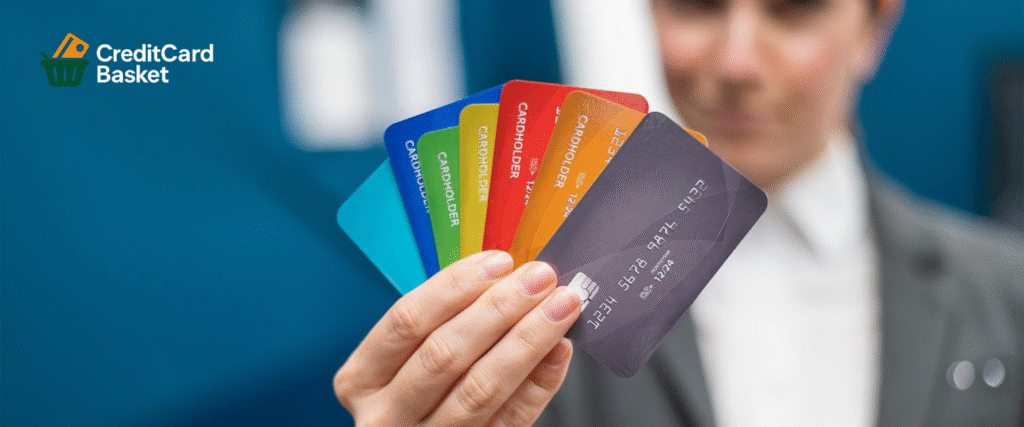
How to Build a Credit Card Stack for Your Spending Habits in 2026
But here’s the catch! No single card can do it all. That’s where the concept of a credit card stack comes in. Think of it as a smart combo of cards designed to maximize your savings and perks based on your unique spending habits.In this guide, we’ll walk through how to build a credit card stack that truly works for you, not against you.
What Exactly Is a Credit Card Stack?
A credit card stack is simply a collection of 2–3 credit cards that together cover different aspects of your spending life.For example:
- You might have one cashback credit card for groceries and utility bills.
- Besides that, a travel rewards credit card for flights, hotels, and fuel.
- And maybe one lifestyle card helps you get discounts on your dine-ins.
Step 1: Keep Track of Your Spendings
Before you apply for any new card, take a deep dive into your monthly expenses. This is the foundation of your credit card strategy.Ask yourself:
- What is my monthly expense on groceries and dining?
- Do I travel often (flights, hotels, fuel)?
- How much goes into online shopping or subscriptions?
Step 2: Match Your Cards to Your Spending
Here’s where things get interesting, choosing the right cards for the right categories.1. Groceries, Dining, and Daily Use
Go for a cashback credit card or a rewards card that gives you points for everyday spending.Best for: Families, urban users, or anyone who spends a lot on essentials.Pro Tip: Watch out for cards that give flat 1.5–2% cashback with no category caps.2. Fuel & Commute
If you’re driving daily, a fuel credit card is a must.Look for: Cards offering fuel surcharge waivers and bonus reward points on your travel spends.Example: Make use of collaboration of cards with brands like HPCL and IndianOil.3. Travel & Lifestyle
Love to travel or eat out? A travel rewards credit card or lifestyle card can make a big difference. Providing airport lounge access, free flight tickets, dining discounts, hotel cashback.Perfect for: Regular flyers, professionals, or digital nomads.4. Shopping & Subscriptions
E-commerce has taken over our lives, and co-branded credit cards with Amazon, Flipkart, or leading fintechs are designed precisely to make the most of that trend.Bonus tip: Many cards have 5X or 10X reward multipliers on specific platforms.Step 3: Annual Fees vs. Rewards
The best card for you isn’t always the one with the most rewards, it’s the one that gives value after fees.For instance, if your card offers ₹10,000 worth of travel vouchers but charges a ₹5,000 annual fee, that’s only worth it if you actually use the perks.Pro tip:Compare annual fees, joining bonuses, and reward redemption options before applying.Still finding it troublesome to get the most suitable card for yourself? use a credit card comparison platform like Credit Card Basket to weigh your options quickly.Step 4: Diversify Your Stack
Building a credit card stack doesn’t mean collecting cards like Pokémon.Start with 2–3 cards that cover most of your needs. More cards mean:- More to track (due dates, limits, offers).
- A higher risk of missing payments.
- Harder to maintain a good credit score if not managed properly.
Step 5: Maximize Rewards Using Tools & Apps
To make sure of trackability and managing your cards, follow these steps:- Set reminders or auto-pay to avoid late fees.
- Use the highest-earning card for each spending category.
- Redeem your points before they expire.
- Track offers! Especially during festive seasons (Diwali, Independence Day, etc.), when banks offer bonus rewards or cashback.