Posted on 13/02/2026

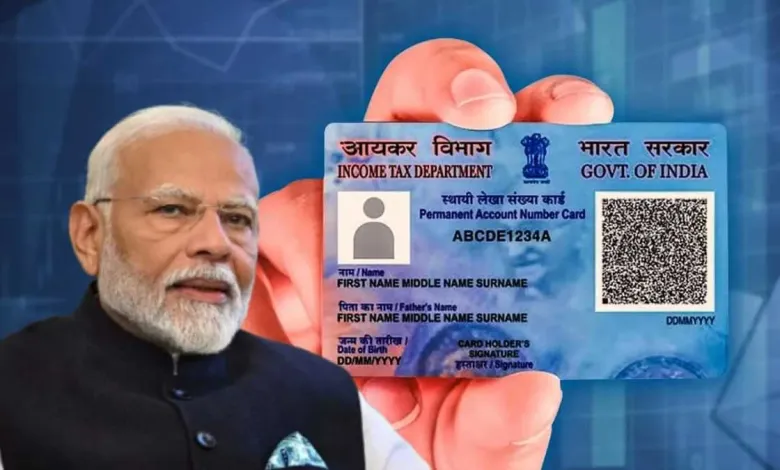
India’s tax reporting ecosystem is tightening, and the PAN rule changes 2026 are proof that the government is moving towards stricter financial transparency. If you use your PAN card for banking, investments, property purchases, insurance payments, or even large hotel bills, these updates directly affect you.
With the introduction of revised reporting thresholds under the latest draft Income Tax Rules, individuals and businesses must now pay closer attention to new PAN requirements across multiple transaction categories.
In this guide, we break down everything you need to know about the PAN rule changes 2026, including updated limits, mandatory reporting categories, and what these updates mean for you.
Your Permanent Account Number (PAN) has always been a financial identity tool. But under the latest Income Tax rules, it is becoming the backbone of high-value transaction monitoring.
According to government data, over 70 million PAN-linked transactions are tracked annually under reporting mechanisms. With digitization increasing and tax compliance improving year-on-year, authorities are now expanding PAN card mandatory transactions to reduce tax evasion and unaccounted cash flow.
This is where the PAN rule changes 2026 come into play.
Let’s examine all key areas impacted by the PAN rule changes 2026.
1. Cash Deposits & Withdrawals – Revised Monitoring
Under the latest Income Tax rules, cash deposits above ₹10 lakh in a financial year in savings accounts are reportable.
Similarly:
These limits remain central under the PAN rule changes 2026, but reporting systems are now more automated and integrated with AIS (Annual Information Statement).
This means stricter PAN compliance updates and real-time tracking.
2. Property Transactions – Stronger Reporting Norms
Property deals remain one of the biggest focus areas under the PAN rule changes 2026.
Currently:
Under the updated framework, the new PAN requirements aim to plug valuation mismatches and reduce undervaluation in real estate deals.
If you’re purchasing or selling property, expect stricter scrutiny of PAN card mandatory transactions linked to your financial history.
3. High-Value Hotel Bills & Foreign Travel
One of the less discussed but important aspects of the PAN rule changes 2026 involves high-value lifestyle spending.
Earlier provisions required PAN disclosure for:
Under the latest Income Tax rules, digital payment traceability has increased, making these PAN card mandatory transactions easier to track.
This falls under expanded PAN compliance updates aimed at mapping spending patterns.
4. Insurance Premium Payments
Life insurance premium payments exceeding ₹50,000 in a financial year require PAN quoting.
These thresholds continue under the PAN rule changes 2026, but insurance companies now report data more systematically through centralized tax portals.
This is part of broader new PAN requirements that align insurance and tax databases.
5. Purchase of Vehicles
Buying a vehicle above ₹10 lakh requires PAN disclosure.
Luxury vehicle purchases are clearly categorized under PAN card mandatory transactions, and the PAN rule changes 2026 enhance dealership-level reporting compliance.
With automobile sales data directly linked to tax systems, expect tighter PAN compliance updates in this segment.
6.Investments & Financial Instruments
PAN remains compulsory for:
Under the latest Income Tax rules, reporting is increasingly automated, reducing room for non-disclosure.
The PAN rule changes 2026 emphasize integrated financial profiling through improved new PAN requirements.

Here are some recent compliance insights:
These figures highlight why PAN compliance updates are tightening.
The PAN rule changes 2026 are not introducing entirely new taxes — but expanding reporting clarity.
Ignoring PAN card mandatory transactions can lead to:
Under the latest Income Tax rules, institutions are now more proactive in ensuring new PAN requirements are fulfilled before processing transactions.
Here is a simple action plan to be compliant with the changes under the PAN rule changes 2026:
These steps will guide you on how to keep in line with the latest PAN compliance changes.
Businesses must now:
The PAN rule changes 2026 are particularly significant for:
All of them must strictly follow new PAN requirements to avoid scrutiny.
The changes in the form of the PAN in 2026 reflect the country’s continued move towards financial transparency and data-driven tax enforcement.
Instead of considering these updates to be restrictions, it’s best to look at them in terms of structured compliance. In fact, the extension of PAN card mandatory transactions, enhanced PAN compliance updates, and tougher new PAN requirements with the most recent Income Tax regulations clearly highlight the digitalization and automation of the system.
Staying abreast of these changes and keeping records will not affect your financial plans.
The main point is that
Understand the PAN rule changes 2026, align early, and keep your financial trail clean.

Posted on 03/03/2026 How to Book Hotel with Credit Card Points for Free Stays: Marriott, Taj & ITC Guide? A few years back, “earning a free hotel night” felt like something only frequent flyers and travel bloggers cracked. In April 2026, that’s no longer true. With ₹1.54 lakh crore in

Posted on 03/03/2026 How Credit Card Reward Points Work in India: What Is 1 Point Really Worth? Check your credit card statement recently? Do you feel like your reward points are not going far as they used to? You are right it’s not just you. There are now over 11.7

Posted on 03/03/2026 CIBIL Score Credit Card Explained: 700 vs 750 CIBIL Score & Approval Chances (2026) Let’s be honest getting a credit card in India today feels a bit like applying for a college admission. There’s a number that decides almost everything, and that number is your CIBIL score.