

Posted on 21/01/2026
Zero Forex Credit Card Guide: How Smart International Travellers Save Thousands on Every Trip

International travel has become common for Indian professionals, students, entrepreneurs, and families. But while flights and hotels are planned carefully, one silent cost is often ignored – foreign exchange markup on card payments.
Every swipe abroad, every hotel bill, every international online transaction quietly adds extra charges. Over a single trip, this can run into thousands of rupees.
This is where choosing the right zero forex credit card completely changes the equation.
This blog is not about luxury perks or elite status. It’s about practical savings, financial clarity, and smart international spending using the right tools the right way.
If you travel abroad even once a year, this guide will help you understand:
- Why forex markup is one of the biggest hidden travel expenses
- How a zero forex credit card protects your money
- Which Indian cards actually make sense for international usage
- How to use your card overseas without falling into debt
1.Why Forex Markup Is a Bigger Problem Than Most People Realise?
Most Indian credit cards charge 2%–3.5% forex markup on every international transaction.
Let’s look at real numbers.
Example: One International Trip
- Flights, hotels, shopping, food: ₹2,50,000
- Average forex markup: 3%
- Extra cost paid silently: ₹7,500
This amount gives you:
- A domestic flight ticket
- Multiple hotel nights
- Or covers visa and insurance costs
A zero forex credit card eliminates this completely.
That’s why experienced travellers never use random cards overseas. They use credit cards overseas that are designed for international usage.
2.Zero Forex Credit Card vs Regular Credit Card (Clear Comparison)
| Feature | Regular Credit Card | Zero Forex Credit Card |
| Forex markup | 2%–3.5% | 0% |
| Currency conversion loss | High | Minimal |
| Best use abroad | Not ideal | Designed for it |
| International spending clarity | Low | High |
| Overseas savings | ₹0 | ₹5,000–₹15,000+ per trip |
When choosing the best credit cards for international travel, forex markup matters more than lounge access or reward points.
3.Best Zero Forex Credit Cards in India for International Travel
This blog focuses only on the following cards for this category:
- IDFC FIRST Bank ASHWA Credit Card
- Federal Bank Celesta Credit Card
- IndusInd Legend Card
- Yes Bank ACE Metal Card
These cards are practical choices for foreign travel, international online payments, and regular overseas spending.
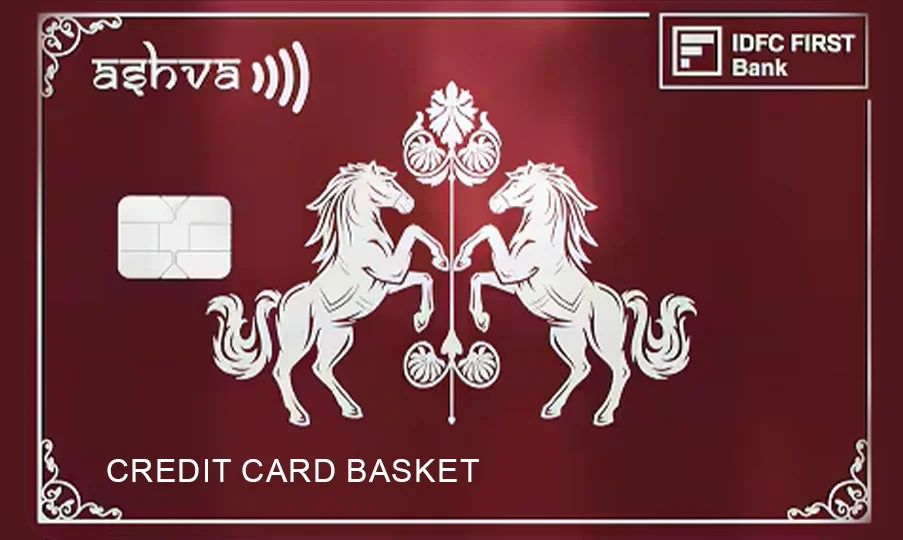
IDFC FIRST Bank ASHWA Credit Card – Built for Global Usage
The IDFC FIRST Bank ASHWA is one of the most straightforward options for travellers looking for a zero forex credit card.
Why it works well overseas:
- 0% forex markup on international transactions
- Lifetime free structure makes it cost-effective
- Strong acceptance for credit card overseas usage
- Interest-free features when bills are paid on time
For travellers who want savings without premium pricing, this card stands out among the best credit cards for international travel.
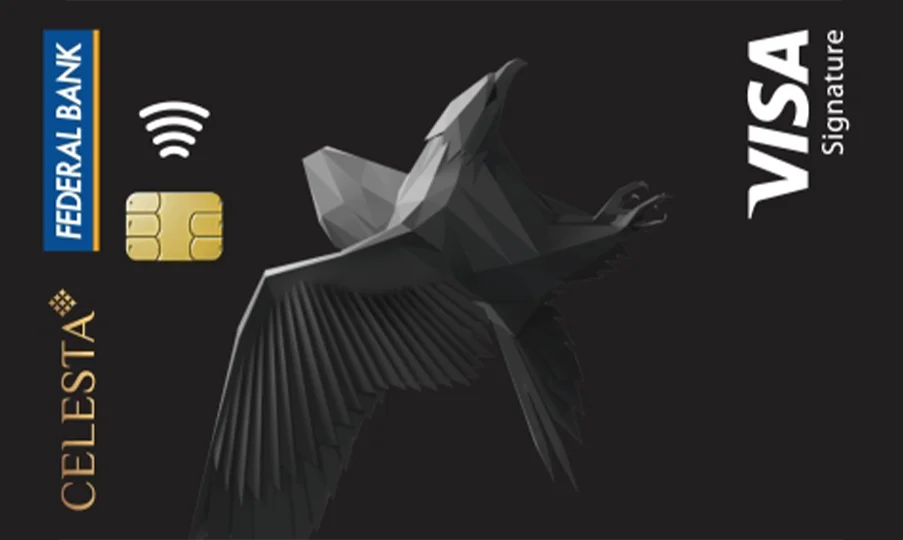
Federal Bank Celesta Credit Card - Balanced and Travel-Ready
Federal Bank Celesta is a practical card for international travellers who want comfort without overspending.
Key advantages:
- Zero forex markup credit card benefit
- Airport lounge access (useful during international layovers)
- Good reward structure on overseas spends
- Reliable acceptance for foreign credit card usage
If you’re looking for a clean mix of savings and convenience, Celesta performs well as a best credit card for foreign travel.
IndusInd Legend Card - Reliable for Frequent Overseas Spends
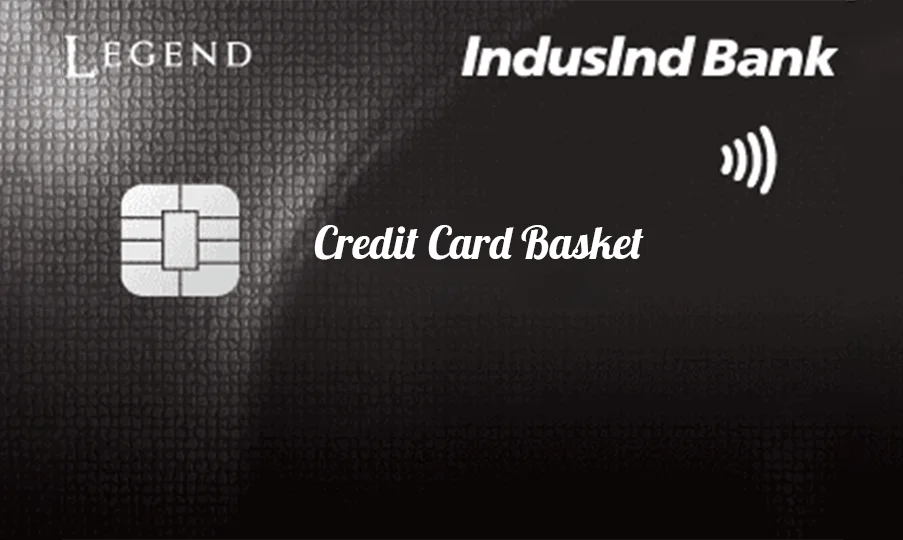
The IndusInd Legend Card is popular among frequent flyers who want a dependable zero forex credit card for global usage.
What makes it useful:
- Low or zero forex markup structure
- Strong international acceptance
- Complimentary lounge access
- Travel insurance benefits
For professionals travelling multiple times a year, this card supports consistent credit card overseas usage without unnecessary costs.
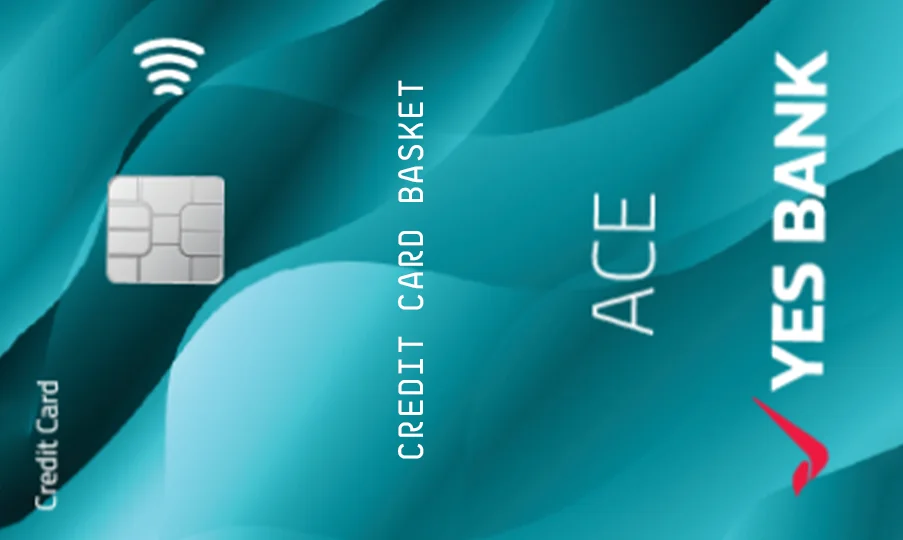
Yes Bank ACE Metal Card – Premium Feel, Practical Forex Savings
Yes Bank ACE Metal Card combines premium design with functional travel benefits.
Why it fits international travel:
- 0 forex markup credit card advantage
- Strong overseas transaction acceptance
- Insurance and travel protections
- Premium experience without luxury-only restrictions
This makes it suitable for travellers seeking the best credit cards for international travel with long-term value.
IDFC FIRST Bank ASHWA Credit Card – Built for Global Usage
The IDFC FIRST Bank ASHWA is one of the most straightforward options for travellers looking for a zero forex credit card.
Why it works well overseas:
- 0% forex markup on international transactions
- Lifetime free structure makes it cost-effective
- Strong acceptance for credit card overseas usage
- Interest-free features when bills are paid on time
For travellers who want savings without premium pricing, this card stands out among the best credit cards for international travel.
Federal Bank Celesta Credit Card - Balanced and Travel-Ready
Federal Bank Celesta is a practical card for international travellers who want comfort without overspending.
Key advantages:
- Zero forex markup credit card benefit
- Airport lounge access (useful during international layovers)
- Good reward structure on overseas spends
- Reliable acceptance for foreign credit card usage
If you’re looking for a clean mix of savings and convenience, Celesta performs well as a best credit card for foreign travel.
IndusInd Legend Card - Reliable for Frequent Overseas Spends
The IndusInd Legend Card is popular among frequent flyers who want a dependable zero forex credit card for global usage.
What makes it useful:
- Low or zero forex markup structure
- Strong international acceptance
- Complimentary lounge access
- Travel insurance benefits
For professionals travelling multiple times a year, this card supports consistent credit card overseas usage without unnecessary costs.
Yes Bank ACE Metal Card - Premium Feel, Practical Forex Savings
Yes Bank ACE Metal Card combines premium design with functional travel benefits.
Why it fits international travel:
- 0 forex markup credit card advantage
- Strong overseas transaction acceptance
- Insurance and travel protections
- Premium experience without luxury-only restrictions
This makes it suitable for travellers seeking the best credit cards for international travel with long-term value.

4.Zero Forex Credit Card in Real-Life Numbers (Smart Calculation)
Let’s look at how savings actually work.
Example: Annual International Spending
- Overseas spends: ₹4,00,000
- Regular card markup (3%): ₹12,000 lost
- Zero forex credit card markup: ₹0
Savings: ₹12,000 every year
Over 5 years, that’s ₹60,000 saved, without changing spending habits.
This is why experienced users prioritise zero forex markup credit card options when planning foreign trips.
5.Why Zero Forex Matters More Than Rewards Abroad
Many travellers chase reward points but ignore forex charges.
Reality:
- Rewards earn you 1%–2%
- Forex markup takes away 2%–3.5%
Using a regular card overseas often results in net loss, even after rewards.
That’s why travellers choose:
- best credit card for foreign travel first
- Rewards second
This strategy ensures real savings.
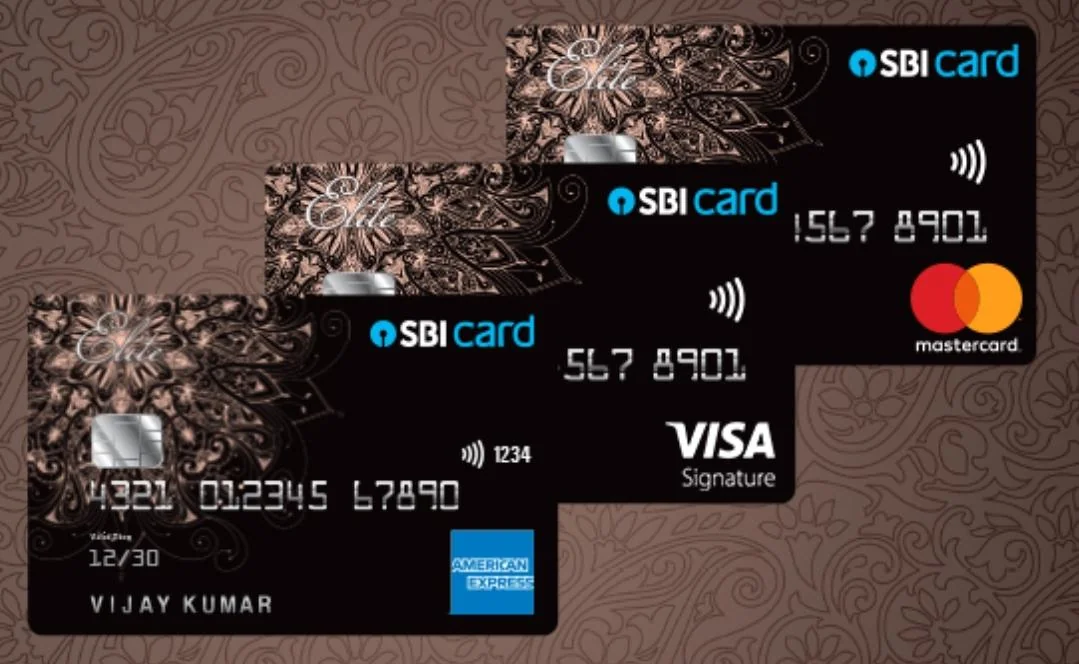
Cards like SBI Elite fall under premium, while RBL Insignia represents super premium credit cards in India.
6. Using Credit Cards Overseas the Smart Way
A zero forex credit card is powerful only when used correctly.
Best practices:
- Use it for hotels, flights, food, transport
- Avoid dynamic currency conversion (always pay in local currency)
- Track spends using mobile banking
- Pay total dues before due date
This approach keeps credit card overseas usage stress-free and profitable.
7.Zero Forex Credit Card vs Cash Abroad
| Aspect | Cash | Zero Forex Credit Card |
| Safety | Risky | Secure |
| Tracking | None | Full |
| Forex loss | High | Minimal |
| Convenience | Limited | High |
| Disputes | Impossible | Possible |
For international trips, cards beat cash, if they’re the right cards.
8.Who Should Use a Zero Forex Credit Card?
You should seriously consider a zero forex credit card if you:
- Travel internationally once or more every year
- Pay for international subscriptions
- Shop from foreign websites
- Work abroad or visit frequently
- Want predictable travel spending
These cards are no longer niche. They are becoming essential for global Indians.
9.About Travel Credit Cards FAQs
What’s a zero forex credit card?
A zero forex credit card skips those extra foreign exchange fees that most banks tack on when you spend overseas. Regular cards usually add a 2%–3.5% markup every time you swipe abroad, but a zero forex card lets you pay at the real exchange rate. You end up saving a lot on every international purchase, whether you’re traveling or shopping online.
Why bother with a zero forex credit card if you travel?
Honestly, forex markup is one of those sneaky expenses that can wreck your travel budget. Hotels, flights, dinners, shopping, all of it gets pricier when your card adds markup. With a zero forex credit card, you dodge those charges completely. It’s one of the simplest ways to keep more of your money for actual travel, not hidden fees.
Are zero forex cards better than regular travel credit cards?
Absolutely. Sure, standard travel cards might throw in reward points or access to airport lounges, but they still hit you with forex fees. Zero forex cards focus on what really matters for frequent travelers: saving money right at the source. Over time, those direct savings usually beat whatever points you’d earn with a regular travel card.
What kind of expenses can you pay overseas with a zero forex card?
Pretty much anything, hotel stays, flight bookings, meals, shopping, online payments in foreign currencies, even local transportation. Anywhere you’d normally get hit with a currency conversion fee, a zero forex card lets you pay without extra charges.
Do zero forex credit cards work for international online shopping?
Yes, they do. You can use them for buying from foreign e-commerce sites, paying for international subscriptions, or sending money for overseas services. Even if you’re not physically traveling, these cards still save you from unnecessary forex markups.
Are zero forex credit cards safer than carrying cash abroad?
Definitely safer. With a credit card, you can track every transaction, you get built-in fraud protection, and if you lose the card, you can block it instantly. Carrying a lot of cash is always risky, but a card gives you security and peace of mind.
How much can you actually save with a zero forex card?
Your savings depend on how much you spend, but let’s say you drop ₹3,00,000 abroad in a year. A typical card with a 3% markup would cost you an extra ₹9,000. With a zero forex card, you keep that money, no markup, no nonsense, just straightforward savings.
Do you lose out on rewards by picking a zero forex card?
Not really. Most zero forex cards still offer some rewards and travel perks. The main draw, though, is saving on fees, not racking up tons of points. For people who travel internationally, skipping the forex markup usually ends up saving more than any rewards program can give you.
Does a zero forex card help you manage spending abroad?
It does. You get clear transaction records, real-time alerts, and monthly statements — all of which make it way easier to track your travel spending. Compared to juggling receipts or cash, a zero forex card makes budgeting for trips much simpler.
Who should think about getting a zero forex credit card?
If you travel internationally a lot, shop on global websites, go abroad for work, or visit family and friends in other countries, a zero forex card makes sense. Even for occasional international transactions, it helps you cut out unnecessary fees and keeps more money in your pocket.
Trending




Final Thoughts: Travel Smart, Not Expensive
International travel doesn’t have to mean hidden losses.
By choosing the right zero forex credit card, you:
- Eliminate unnecessary charges
- Gain better control over spending
- Improve financial clarity
- Make international travel genuinely cost-efficient
Cards like IDFC FIRST Bank ASHWA, Federal Bank Celesta, IndusInd Legend, and Yes Bank ACE Metal prove that you don’t need ultra-luxury cards to travel smart.
You just need the right strategy.