Guide to the Best Credit Cards in India 2026
Choosing the top credit card in India isn't about the first card that arrives; it's about the card that matches your spending. Cashback , travel , dining , shopping , and lifetime free - and everything in between - is enough to give most first-time users reason to compare ten tabs before they make a decision. With this guide, you can make it easy, so your credit card application isn't a card that gathers dust in your wallet.
Match the Card to Your Spending, Not the Ad
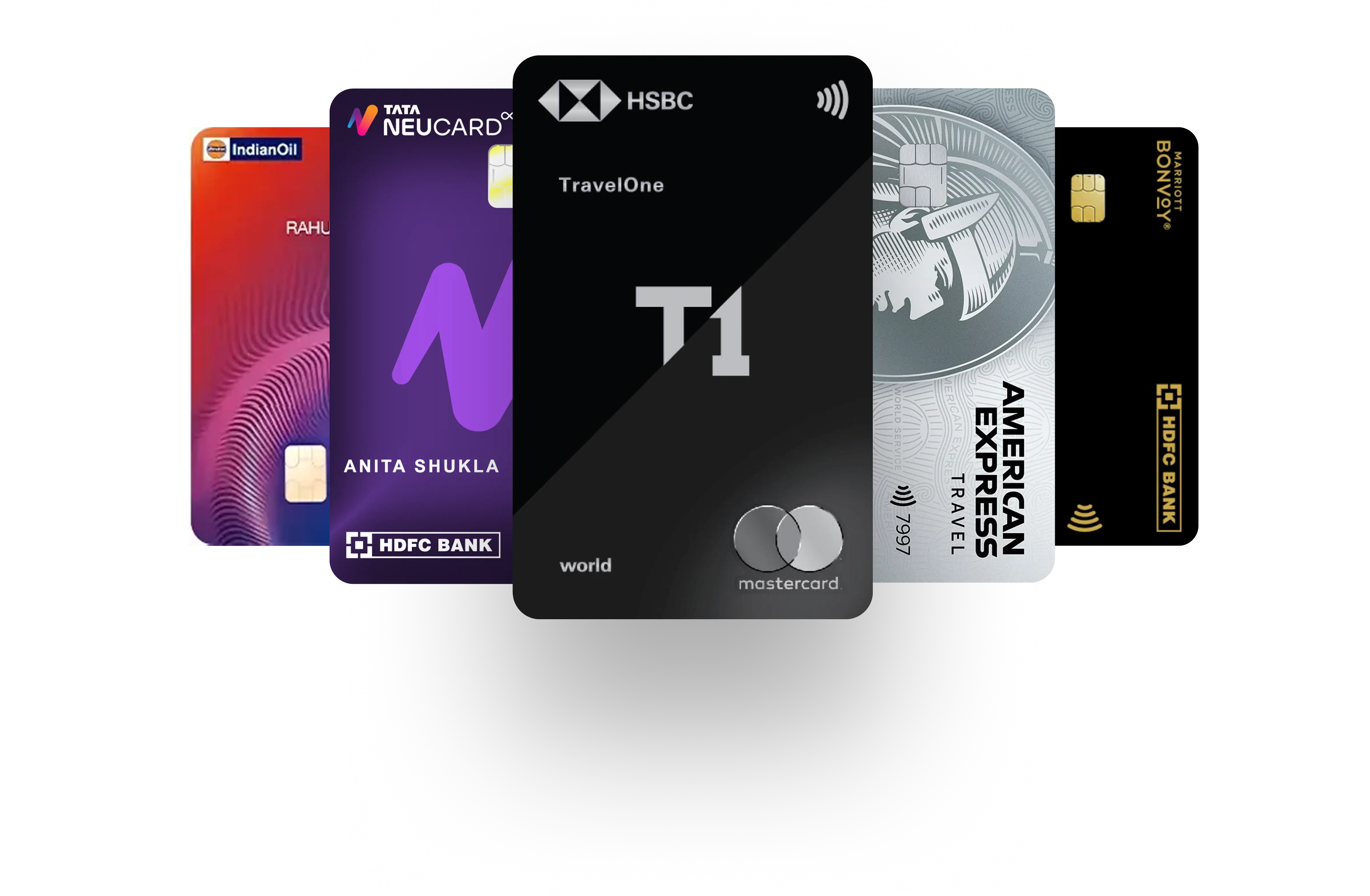
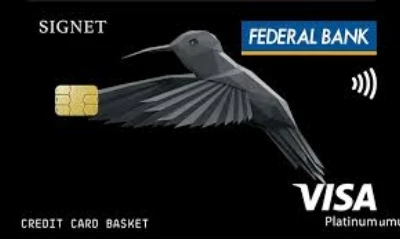
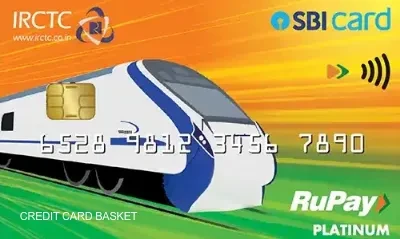
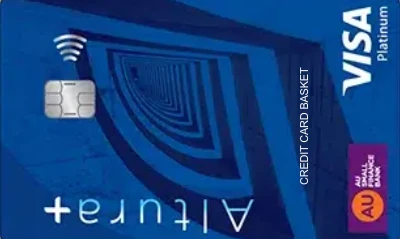
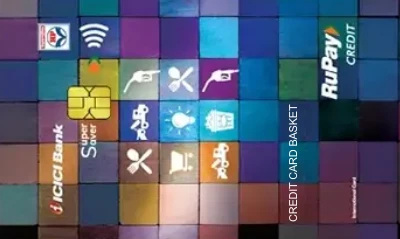
The best credit card to apply for is rarely the one with the biggest welcome bonus; it's the one that rewards where your money already goes. If you order in often, a dining card with accelerated Swiggy or Zomato rewards beats a generic rewards card every time. Frequent flyers get more value from lounge access and zero forex markup than from a flashy joining gift. Everyday shoppers should look at cashback percentage and category caps before anything else. Among the top credit cards in India right now, HDFC , ICICI , Axis , SBI Card , and newer entrants like AU Small Finance and Federal Bank are all competing hard on reward rates, which works in your favour as an applicant. If you're building credit for the first time, a lifetime-free card is often the smarter starting point over a premium card with a steep annual fee.
What You Need Before You Apply for a Credit Card
It takes just three things to make a smooth credit card application: eligibility, documents, and credit score. The age requirement varies from one bank to another, ranging between 21 and 60 years in India, with some banks asking for a minimum monthly income that can vary from ₹15,000 to ₹25,000 for entry-level cards. The documents required include PAN, Aadhaar, address proof, and salary slips or ITR for self-employed applicants. A CIBIL score of 750+ meaningfully improves your odds of approval on premium cards with better rewards. If your score is still low, choose a secured or lifetime-free card first; pay it off on time, and you will be able to get better cards later.
Getting Instant Credit Card Approval
Instant credit card approval is real, but it depends on doing the groundwork before you apply, not after. Pre-check your eligibility on the issuing bank's site and comparison platforms, or verify RBI norms on credit cards before submitting; a rejected application can temporarily dent your credit score. Only apply for cards you are well-qualified for based on income and score, keep your KYC documents updated, and avoid applying for many cards over a short period, as this draws unwanted attention to your file. Gone are the days when you had to wait for your card: many banks, including Federal Bank, IDFC FIRST, and AU Small Finance, have made the process paperless. Approval for a digital card can now happen in minutes when both PAN and Aadhaar are linked and your income is verified digitally.
Which Category Should You Choose?
Cashback cards suit those who want straightforward savings without tracking point systems.
Travel cards make sense if you fly often and value lounge access and air-mile conversion.
Shopping and dining cards reward category loyalists; Flipkart, Amazon, and Swiggy users get outsized value.
Lifetime-free cards are the safest first card, with zero ongoing cost.
Business cards help SMEs and professionals separate expenses and earn on operational spends.
Final Say
There is no such thing as the single best credit card in India; there is only the best credit card you can get, depending on your lifestyle, income, and credit score. After shortlisting, compare two or three cards side by side, read the fine print on fees and milestone benefits, and apply only when you know exactly what you qualify for. It can be done in a few months, and the right card pays for itself.
Frequently Asked Questions
Q1. Which is the best credit card in India in 2026?
There is no single "best" card, since it depends on your spending habits. The cards that work best for frequent flyers and regular online shoppers are quite different. Refer to the category-wise suggestions above and choose one that suits your lifestyle.
Q2. Which credit card is easiest to get approved for instantly?
Cards from digital-first issuers such as AU Small Finance, Federal Bank, and IDFC FIRST are generally the quickest and easiest to get on a paperless basis, and if you already have a savings account with the bank, you won't have to go through the hassle of opening a new one.
Q3. What is the minimum salary required to apply for a credit card in India?
Entry-level cards range between ₹15,000 and ₹25,000 per month, depending on the card and its issuer. Premium and super-premium cards typically require a monthly income of ₹1 lakh and above. Self-employed individuals are evaluated on ITR rather than salary slips.
Q4. How can I apply for a credit card online?
Fill out the application form with PAN, Aadhaar, and income proof, and choose a card that fits your spending. The entire e-KYC process from application to approval is now completed via video call at most banks.
Q5. Which credit card gives the best rewards in India?
The best rewards card is the one that gives you multiple points in a category you already spend heavily on - travel, dining, or online shopping. A card with a high headline reward rate but no alignment with your spending will be worth less than a modest card that matches it.
Q6. Can I get a credit card with a low credit score?
Yes, but with limited choices. Secured credit cards (backed by a fixed deposit) and some entry-level lifetime-free cards do not rely as heavily on your CIBIL score. Using one responsibly for 6–12 months is also one of the quickest ways to raise your score for a better card later.
Q7. Which is the best lifetime-free credit card in India?
Look for one with genuinely no joining or annual fee - not just a "fee waived on spending ₹X" clause - plus a decent base reward rate. These make the most sense as a first card or a low-maintenance backup you never worry about renewing.
Q8. How long does credit card approval take?
If your documents are in order, digital applications can be approved in minutes to a few hours with instant e-KYC. Manual applications with physical document checks may take anywhere from 3–7 working days.
Q9. Which credit card is best for a first-time user?
A lifetime-free or low-annual-fee card with straightforward cashback is usually the safest starting point. It builds credit history without locking you into a high fee, and you can graduate to a premium card once your score and spending history are established.
Q10. Which credit card is best for everyday use?
A cashback or lifetime-free card tends to be better for everyday purchases such as groceries, fuel, and utility bills; you'll always get something back, and you don't have to worry about annual fees. UPI credit cards are also worth considering these days, as they let you pay via any UPI QR code while still earning credit card rewards.